
Living with epilepsy
Life with epilepsy may be suprisingly different to that without. Patients must deal with the effects of seizures, social perceptions of their condition, it's treatment and the certain constraints epilepsy places on the activities sufferers can participate in.
Public Perceptions of Epilepsy
In the past epilepsy has had strong religious and superstitious associations, seizures being viewed as divine messages or even possession, the word epilepsy itself being derived from the Greek for “upon taking hold / seizing”. In some circles this may have led to reverence, but in many others it stigmatized the effected individuals, subjecting them to grievous mistreatments. Such views are prevalent within some cultures even to this day, and practices such as the cauterization of the forehead, administration of "concoctions" and even imprisonment are still carried out. A call for the end of such unscientific and even unethical treatment is currently being voiced.
Many countries have passed motions, such as the UK disability discrimination act (1995), to prevent the unjust treatment of the medically disabled within working environments and in society at large. Despite this and epilepsies high incidence, the potentailly unusual nature of seizure manifestions and a generally poor level of education about the condition exposes epilepsy sufferers to a level social discomfort, being the focus of ridicule, fear. Seizures may even be confused with other conditions such as inebriation. Recent polls suggest that understanding and acceptance of epilepsy is generally on the rise. Charities such epilepsy action are doing alot to raise awareness.
Altered lifestyle
The unpredictable nature of seizure reccurrence is problematic and potentially harmful within certain situations. Precautions are recommended on scales varying with the severity of the condition.
Many countries have in place laws determining within what contexts epileptics may drive motorised vehicles. The UK driver and vehicle licensing typically places a one year ban on newly diagnosed epileptics. Application for a driving licences’ may only be made following a year free of seizures, or 3 years in which only sleep related seizures have been experienced. Similar recommendations may be made of non motor vehicles, though this may not be enforced.
Precautions must be taken around water. Patients are advised not swim alone and strongly warned against not wearing life jackets in boats. Even taking baths may become potentially life threatening. Similar problems may be encountered when dealing with exposed heights, fires and cooking, and power tools.
Effects on the individual
Altered cognition such as memory loss or language problems may experienced with epilepsy, however this is often difficult to directly measure as the reported changes rarely precisely match testable areas of thought. Changes may be due numerous factors including the cause, localization, frequency and form of seizure as well as prescribed medications, surgical resection, and depression created by the condition. Treatment may involve changes to anticonvulsant treatment plans, or tackling the appearance of brain lesions.
Epilepsy is associated with an increased incidence of psychotic disorders, affecting 2-10% of patients, as are a number psychosis’s with it. This can cause complications as the medication of either are known in instances to incite the other. More common is the occurrence of depression in epileptics. This may stem from a number of factors including the depressive effects of anti-convulsants and dissatisfaction with social and/or employment. It should be noted that depression has a stronger relationship with epilepsy than many other chronic disorders, suggesting it is a direct cause. Epilepsies have also been linked to obsessive convulsive disorder, episodic dyscontrol disorder and a roughly 6 fold increase in suicide rates.
People
|
/wiki/File:0092_-_Wien_-_Kunsthistorisches_Museum_-_Gaius_Julius_Caesar.jpg under the wikimedia commons liscence |
From https://en.wikipedia.org/wiki/File :Neil_Young_2008_Firenze_02.jpg under the wikimedia commons liscence
|
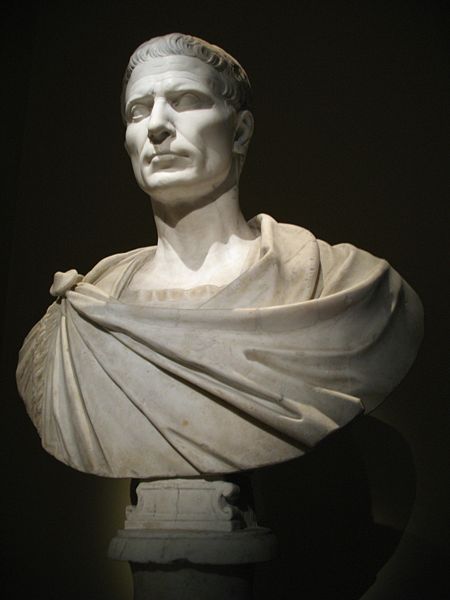
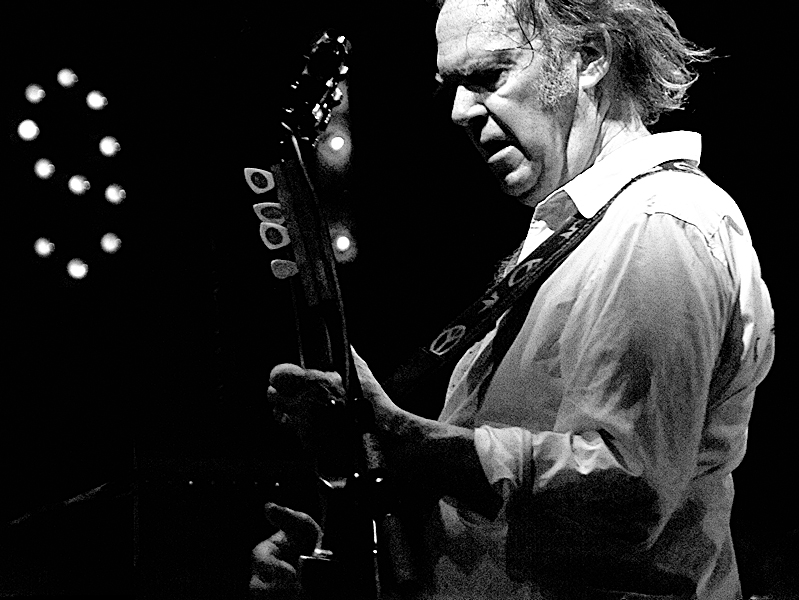
Famous epileptics include Neil Young, Vladamir Lenin, Wally Lewis, George Inness and Julius Caesar. This can only go to prove the great capacity for life epileptics retain in spite of the many trials imposed on them.